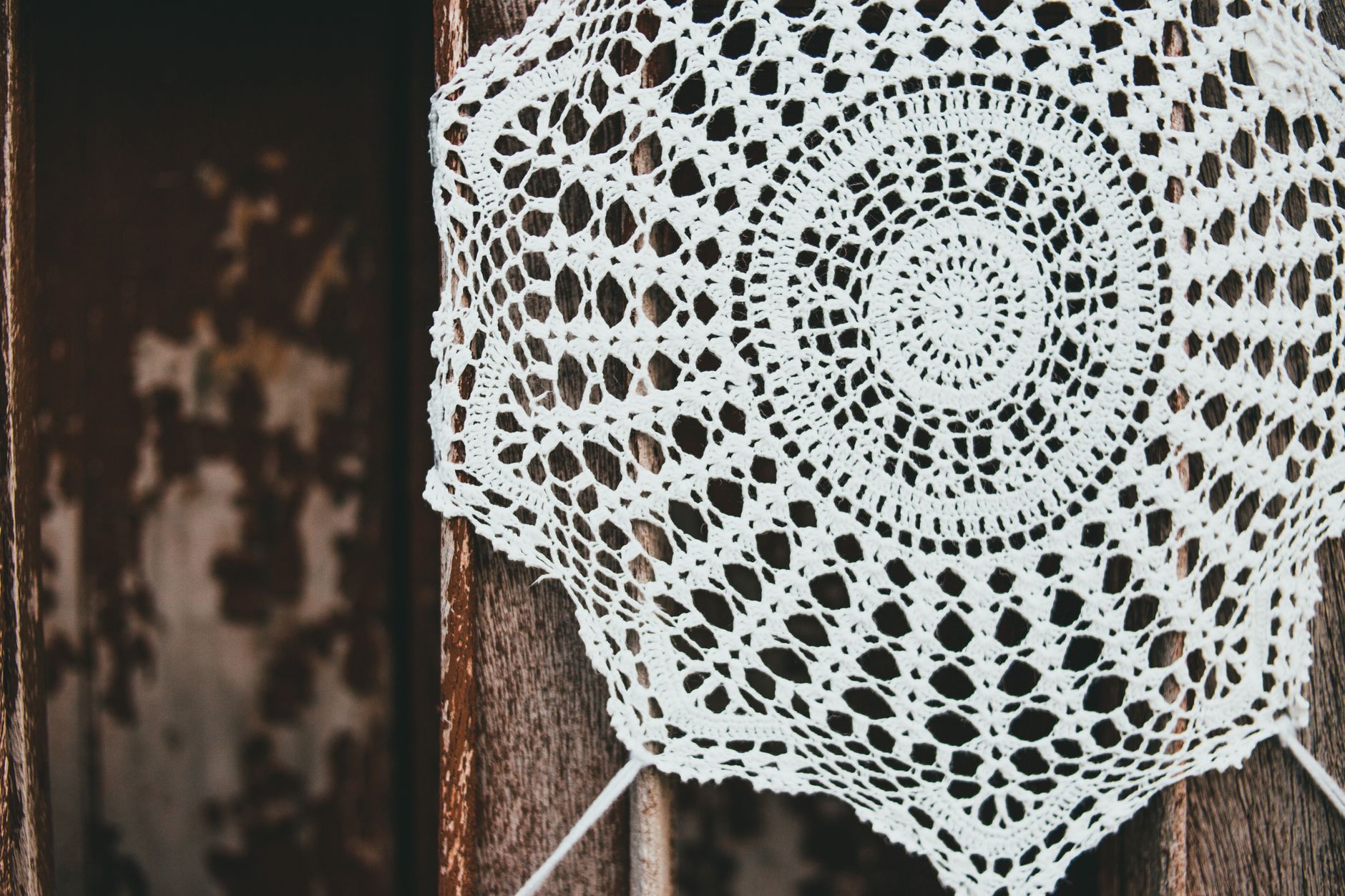
Crochet chart patterns are full projects, like a doily, graphghan, or garment, delivered as a visual chart instead of, or alongside, written instructions. I always download the written version too when one is available, even if I plan to work from the chart, since it doubles as a stitch-count backup if I lose my place. This guide covers where to find quality charted patterns and what to check before starting.

Where to Find Charted Patterns
Independent designer marketplaces, pattern magazines, and dedicated crochet chart software libraries are the most reliable sources, since they typically test their charts before publishing. Free charts shared informally online vary much more in quality and sometimes contain uncorrected stitch-count errors.
What to Check Before Starting
- Legend included: Confirm the chart has its own symbol legend rather than assuming a universal standard applies to every detail.
- Gauge stated: A charted pattern still needs a stated gauge to reach the intended finished size.
- Reading direction noted: Confirm whether the chart is meant to be read in rounds or rows before you start counting stitches.

Frequently asked questions
Are charted patterns harder to follow than written ones?
Not necessarily, though they take a bit of practice if you have only ever worked from written instructions. Complex round motifs are often easier to follow as a chart than as a long written paragraph.
Want to learn to read one first?
Get comfortable with the core symbol set before diving into a full charted pattern.
See the symbol reference guide