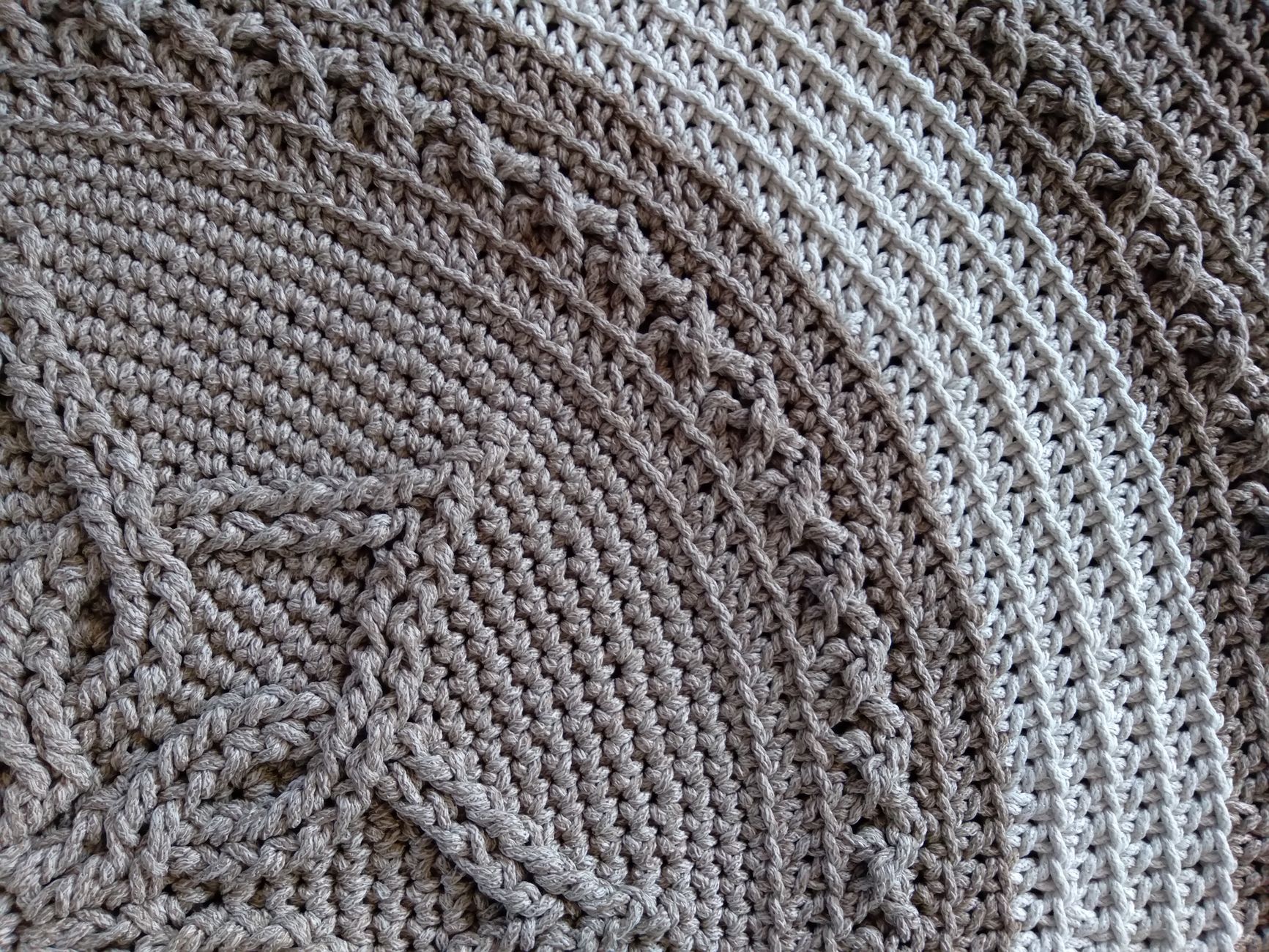
Make crochet chart means converting a written stitch-by-stitch pattern into a visual symbol diagram, either by hand on graph paper or using dedicated charting software. This is different from reading an existing chart, since you are building the diagram from scratch to match your own pattern or a written one you want to visualize. I started charting my own granny square variations after getting tired of losing my place in written repeats, and the switch cut my mistake rate noticeably. This guide covers the reference table of symbols you will need, then walks through building a chart from a real worked example.

The Chart
| Symbol | Stitch | Meaning |
|---|---|---|
| Small circle or dot | Chain (ch) | One chain stitch. |
| X or plus sign | Single crochet (sc) | One single crochet stitch. |
| T shape | Half double crochet (hdc) | One half double crochet stitch. |
| Long T with one bar | Double crochet (dc) | One double crochet stitch. |
| Oval at base | Slip stitch (sl st) | A joining stitch with no height. |
Most charting software, including free browser-based tools, uses this same symbol set by default, so a chart you build by hand will look consistent with published patterns.
How to Use the Chart
Start with a simple written line, such as round 1, work 6 sc into a magic ring. On graph paper, draw a small center point, then place 6 X symbols in a circle around it, evenly spaced. For round 2, work 2 sc in each stitch, meaning you would draw 12 X symbols in the next ring outward, spaced to visually pair with the 6 stitches below.
I draw my rounds outward from the center on a printed circular grid rather than a square grid, since square graph paper distorts round motifs and makes the increase spacing look uneven. For flat rows instead of rounds, a standard square grid works fine, with each row stacked directly above the one below it.
Charting software speeds this up considerably by letting you drag symbols into place and auto-aligning rounds, though I still sketch a rough version by hand first to work out my increase placement before committing it digitally.

Frequently asked questions
Is there a standard, universal crochet chart symbol system?
Most publishers and charting software follow the same core symbol set for basic stitches, since the Craft Yarn Council maintains a widely adopted standard. Using these standard symbols when you make your own chart means other crocheters can read it without a separate legend.
Do I need special software to make a crochet chart?
No, graph paper and a pencil work fine for a simple motif, and several free browser-based charting tools exist for anyone who wants a cleaner digital result. Paid pattern-design software adds features like automatic stitch counting, which becomes worth it once you are charting patterns regularly.
Should I chart rounds or rows differently?
Yes, rounds work best on a circular grid that radiates outward from a center point, while rows work best on a standard square grid stacked from bottom to top. Using the wrong grid type for the shape usually distorts the spacing enough to make the chart hard to follow.
Ready to read charts you didn’t make?
The same symbol set works whether you are building a chart or following someone else’s.
See the full symbol reference