Crocheting in the round covers two distinct approaches: joined rounds, closed with a slip stitch at the end of each round, and continuous spiral rounds, which flow directly from one round into the next with no seam. Choose between the two based on the finished project, since each suits a different shape. This guide covers when to use each and how to switch between them.
Joined Rounds vs. Continuous Spirals
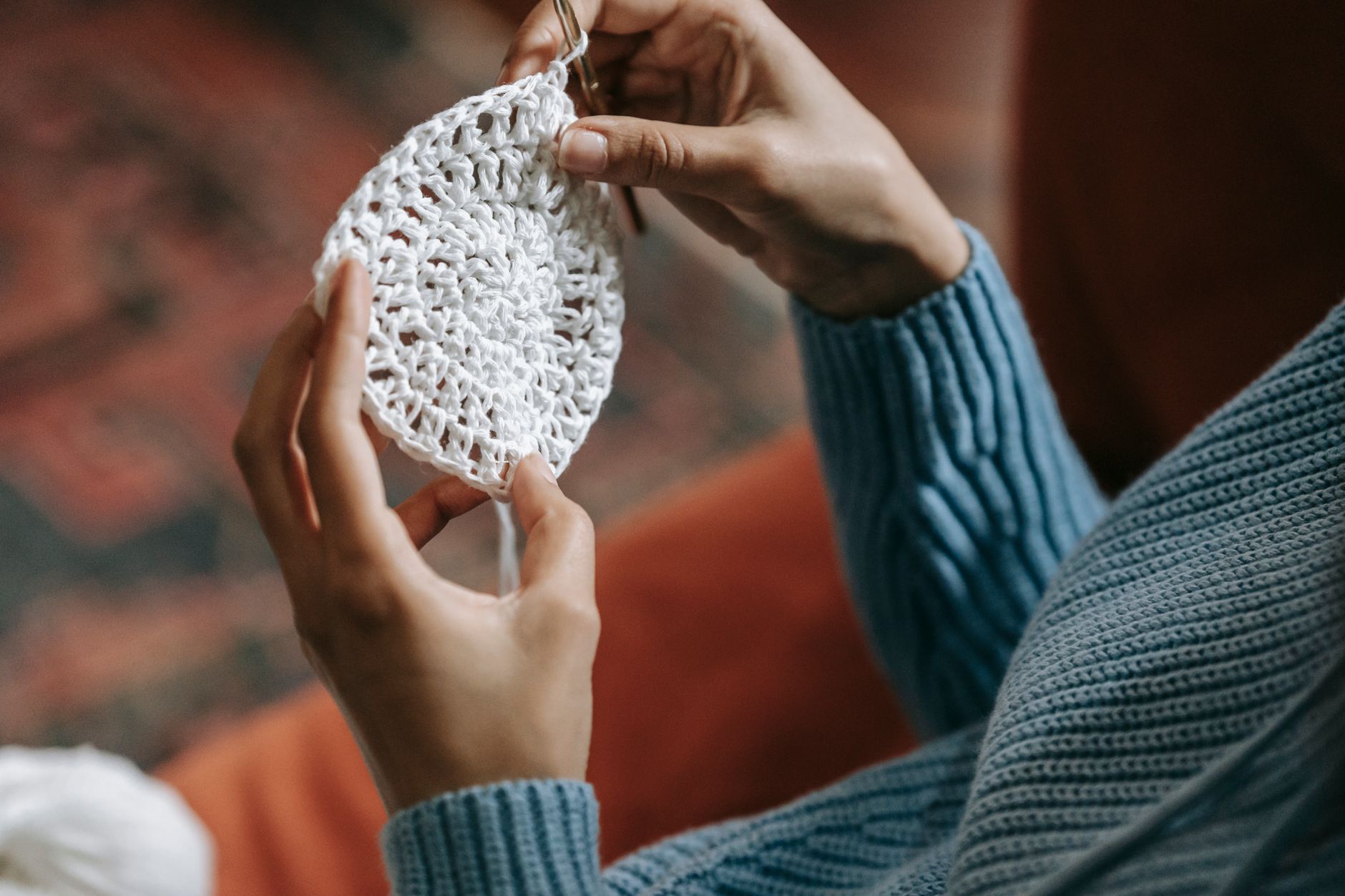
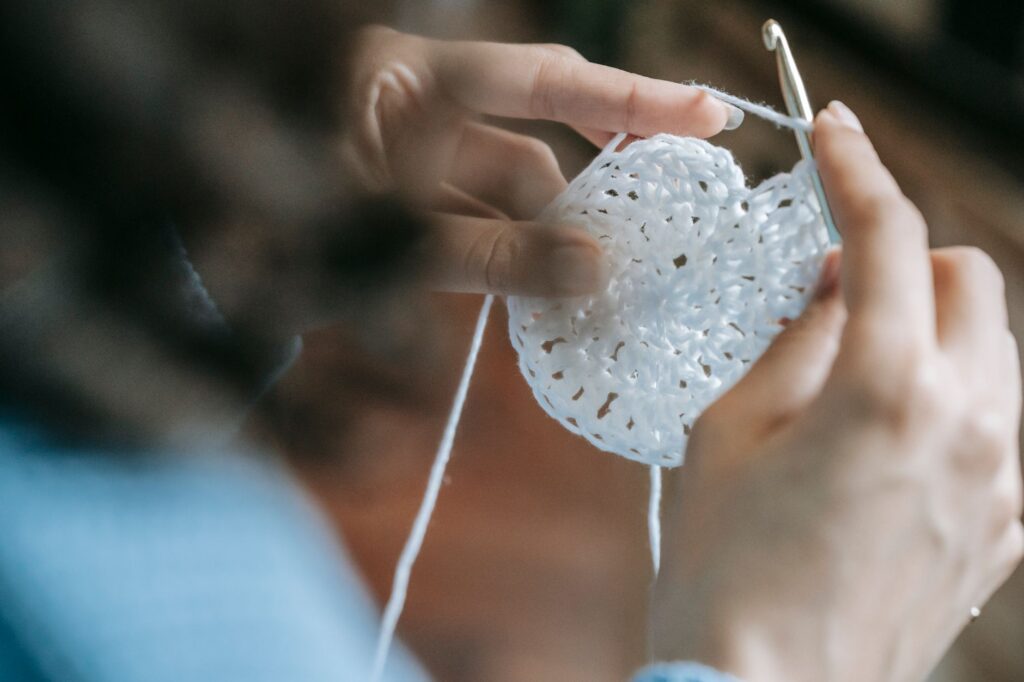
Joined rounds work best for flat motifs like doilies and granny squares, where a small visible seam blends into the piece’s overall pattern. Continuous spirals suit three-dimensional amigurumi shapes, where a visible seam would be far more noticeable wrapping around a rounded form.
Switching Between the Two
A pattern using joined rounds ends each round with a slip stitch and usually a small chain before starting the next round with a fresh set of stitches. A spiral simply continues stitching directly into the next stitch with no join at all, tracked only with a stitch marker rather than a visible seam.
Frequently asked questions
Which round style should beginners learn first?
Joined rounds are slightly easier to track at first, since the slip stitch join gives a clear marker for where each round starts and ends. Continuous spirals feel more natural once you are comfortable using a stitch marker instead.
Ready to start your first ring?
Both round styles begin the exact same way, with a closed starting ring.
Learn to use a crochet ring