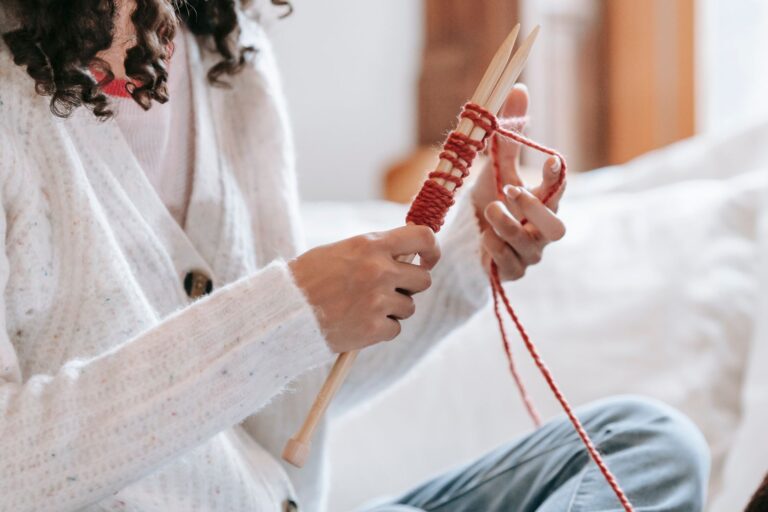
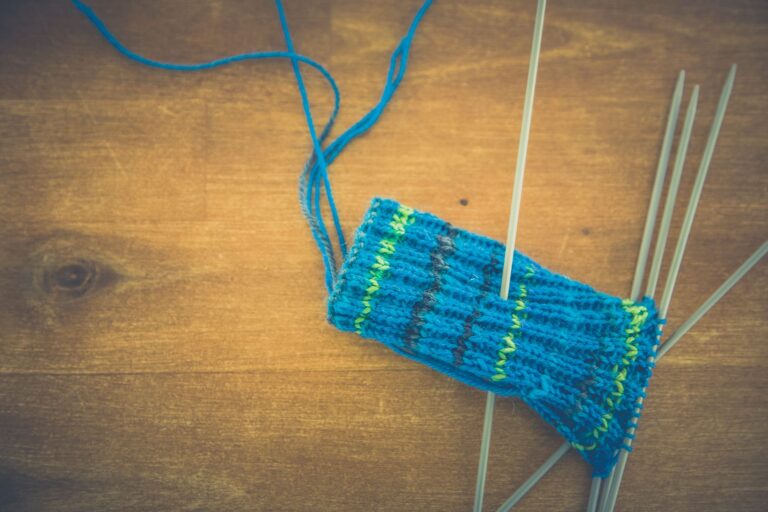
Crochet bind off in knitting refers to a technique where knitters use a crochet hook and slip stitches, rather than standard knitting needles, to close off the final row of live stitches, producing a stretchier, more flexible edge than a traditional knit bind off. This technique works well on ribbed knit cuffs for the extra stretch it gives. This guide covers how and why knitters use this crossover technique.
How It Works
- Insert a crochet hook into the first live knitting stitch instead of a needle.
- Slip stitch through that stitch and the next, combining them.
- Continue slip stitching across the row, closing each stitch as you go.
- Fasten off the final loop the same way you would end a crochet project.
Why Knitters Use This Technique
A standard knit bind off can feel restrictively tight on ribbed or stretchy sections like cuffs and necklines, while a crochet slip stitch bind off produces a noticeably stretchier edge, useful specifically where flexibility matters more than a rigid, structured finish.
Frequently asked questions
Is a crochet bind off stretchier than a standard knit bind off?
Yes, a crochet slip stitch bind off generally produces a stretchier edge than a standard knit bind off, which is why knitters reach for it specifically on ribbed cuffs and other sections needing extra give.
Want the reverse crossover technique too?
See how knitters also borrow a crochet chain for casting on.
See the crochet cast on for knitting