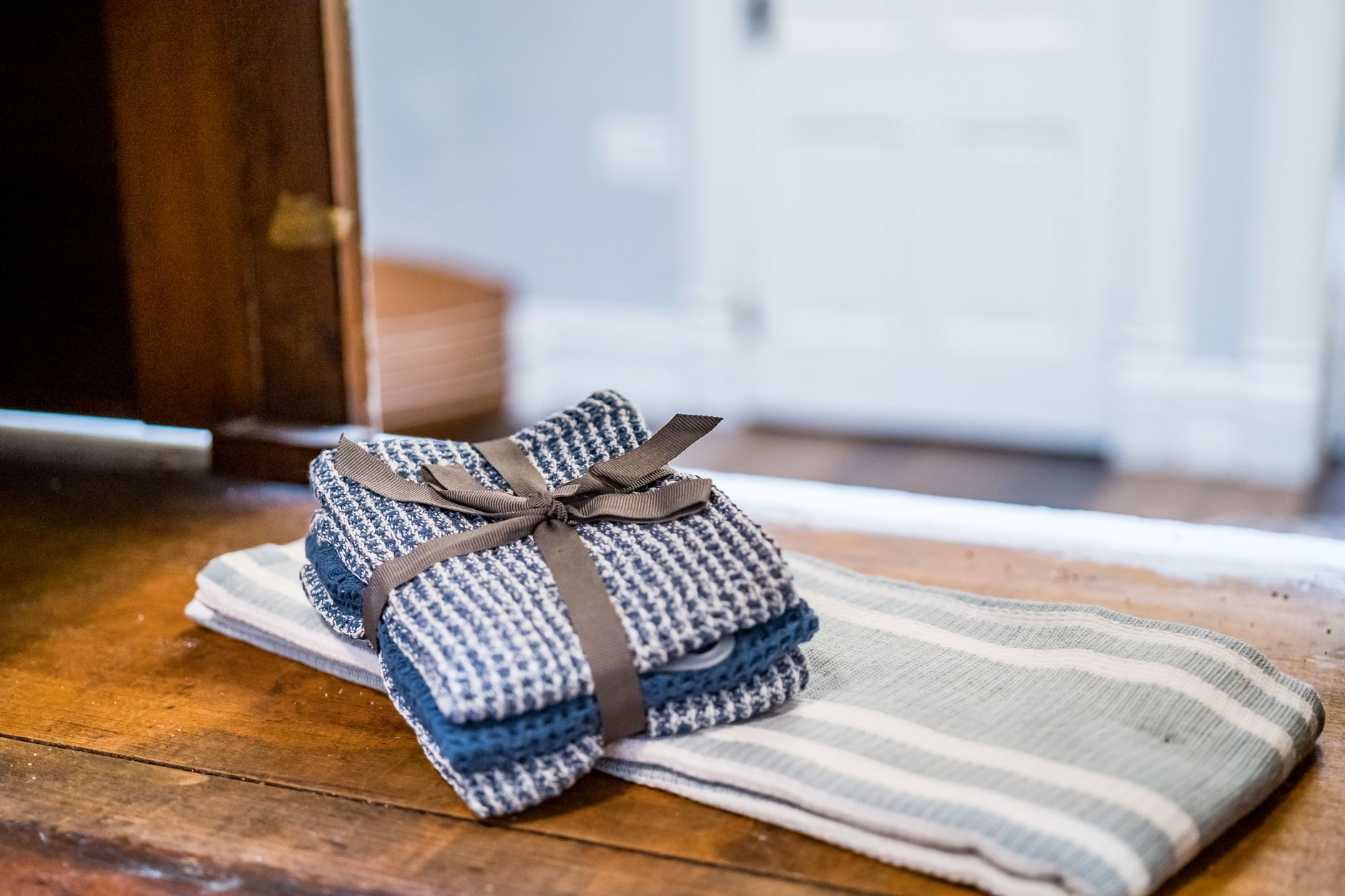
Easy crochet dish cloths remain one of the most popular beginner projects for good reason: they use minimal yarn, work up quickly, and are genuinely useful once finished, unlike some other simple beginner projects that end up decorative rather than functional. A stack of handmade dishcloths is a practical alternative to store-bought sponges in the kitchen. This guide gives three variations, from the most basic to slightly textured.
Materials for All Three Patterns
- About 60 to 70 yards worsted weight 100 percent cotton yarn per cloth
- A 5.0mm hook
Pattern 1: Basic Straight Rows
- Chain 28.
- Row 1: single crochet in the second chain from the hook and each chain across (27 stitches). Chain 1, turn.
- Rows 2 through 26: single crochet in each stitch across. Chain 1, turn.
- Fasten off and weave in ends.
Pattern 2: Diagonal Corner-to-Corner Texture
- Chain 4.
- Row 1: 3 dc in the fourth chain from the hook.
- Row 2 onward: chain 3, turn, work 2 dc in the first stitch, dc across to the last stitch, work 2 dc in the last stitch, increasing 2 stitches every row until you reach your target width.
- Once at target width, begin decreasing 2 stitches per row the same way, working toward the opposite corner, until only a few stitches remain.
- Fasten off and weave in ends.
This diagonal construction gives a slightly different visual texture and drape compared to the straight-row version, worked corner to corner rather than side to side.

Pattern 3: Moss Stitch Texture
- Chain 27.
- Row 1: sc in the second chain from the hook, [ch 1, skip 1, sc in next] repeat across.
- Row 2 onward: chain 1, turn, sc in the first chain-1 space, [ch 1, sc in next chain-1 space] repeat across.
- Continue for about 24 to 26 rows, then fasten off.
Moss stitch’s small texture adds a bit of visual interest and a slightly more absorbent, scrubby surface compared to plain single crochet, useful for actual dish-scrubbing rather than just wiping.
Why Cotton Is the Only Real Fiber Choice
Cotton absorbs water effectively and holds up to the frequent hot washing a dishcloth needs, unlike acrylic, which can melt or degrade under repeated exposure to hot water and dish soap over time. There is genuinely no good substitute for cotton in this specific project.
Frequently asked questions
Which of these three patterns is easiest for a total beginner?
The basic straight-row pattern is the simplest, using only single crochet with no shaping or special stitch pattern to learn, making it the best true first project.
Want more useful small project ideas?
See a broader list of functional small crochet items.
See useful small crochet projects