Crochet tulips covers both sides of the same search: which yarn works best for a tulip motif, and how to actually crochet the tulip shape from a step-by-step pattern. This tulip motif works in many yarns, from a simple worsted-weight solid to a variegated bulky, and the yarn choice changes the finished look more than the stitch count does. This guide covers exactly which yarn qualities matter for a crisp tulip shape, then walks through the materials and steps for the pattern itself, so you can pick your yarn and get started in the same visit.
Choosing Yarn for Crochet Tulips
A single tulip motif uses very little yarn, typically 8 to 12 yards per flower, which makes this a genuinely good project for using up leftover scraps rather than buying yarn specifically for it.
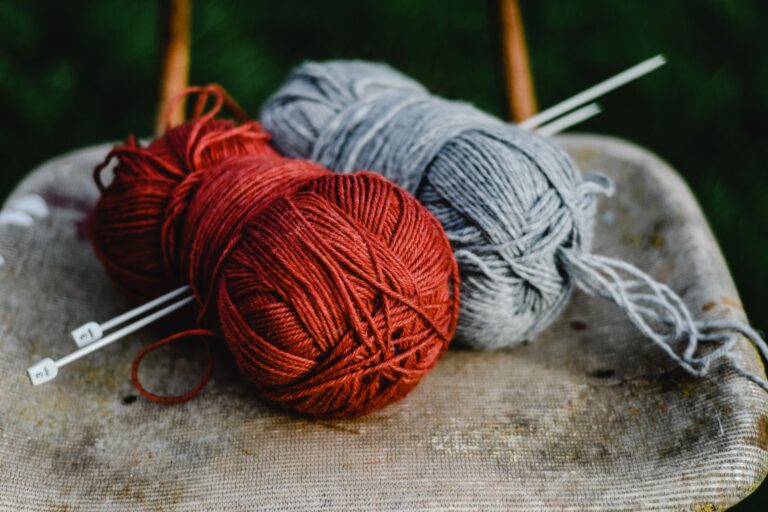
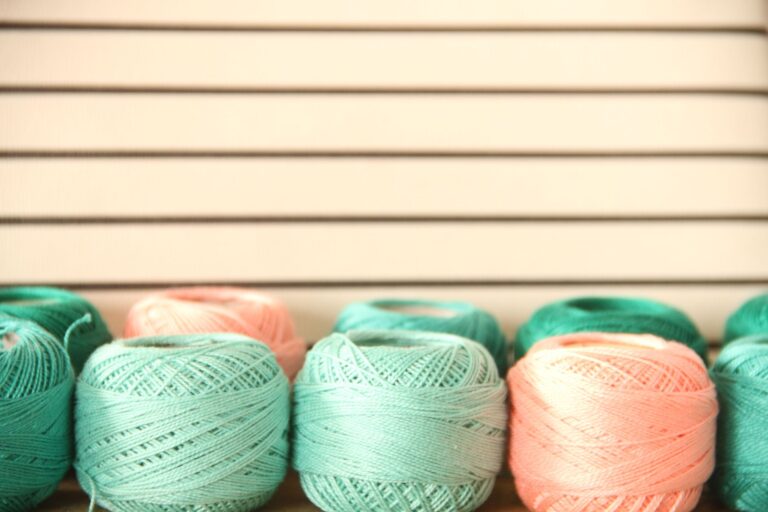
- Worsted weight cotton: Holds the tulip’s petal shape crisply thanks to cotton’s low stretch, though it is slightly harder on the hands over a long crafting session than acrylic. Best for tulips that need to keep a firm, structured shape, like a coaster border.
- Worsted weight acrylic: Softer to work with and widely available in solid colors, but the petals hold a slightly looser shape than cotton and can look a bit floppy without blocking.
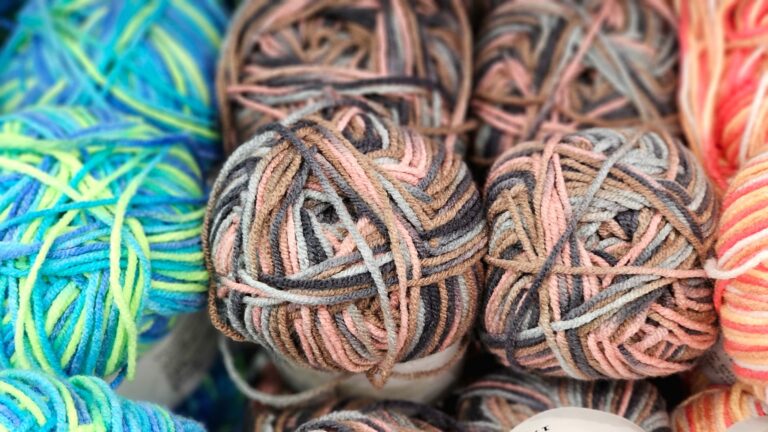
- Variegated or gradient yarns: Produce an interesting color shift across each petal, though the color placement is unpredictable from flower to flower, so a set of tulips in variegated yarn will never match exactly.
- DK or sport weight: Produces a smaller, more delicate tulip, useful for accessories like brooches or bookmark embellishments rather than a larger applique.
My own preference has settled on worsted weight cotton for anything that needs to hold its shape without blocking, and acrylic only for tulips destined for a stuffed or backed project where floppiness does not matter.
Materials and Step-by-Step Instructions
Materials: About 10 yards of worsted weight yarn in your petal color, a small amount of green yarn for the stem and leaf, a 4.0mm to 5.0mm hook depending on your yarn, and a yarn needle for finishing.
- Chain 2, then work 8 single crochet into the second chain from the hook to form the base ring.
- Slip stitch to join the round.
- Chain 3, then work 2 double crochet, chain 1, 2 double crochet, chain 1 into the same stitch to form the first petal base.
- Skip the next stitch, then repeat the petal base into the following stitch. Continue around for a total of 4 petal bases.
- Slip stitch to join, then fasten off the petal color and weave in the tail.
- Attach the green yarn at the base of the flower and chain 10 to 14 for the stem, depending on your desired length.
- Slip stitch back down the chain to finish the stem, then fasten off and weave in the remaining tail.
Block the finished tulip lightly with a spray of water and a pin to hold the petals open while it dries, which makes a bigger visual difference on this motif than on almost any other small applique.
Frequently asked questions
What do beginners get wrong about crochet tulips?
The most common mistake is skipping the light blocking step, which leaves the petals curled inward instead of open and cupped like a real tulip. A quick spray of water and a few pins while the piece dries fixes this in under an hour.
Where can I see this done step by step?
The Materials and Step-by-Step section above walks through the full tulip motif from the base ring to the finished stem. Follow those seven numbered steps in order for the complete flower.
Can I make crochet tulips in a color other than the traditional red or pink?
Yes, the petal base pattern works identically regardless of color, so purple, yellow, and white tulips use the exact same stitch counts. A solid worsted weight cotton in any color holds the petal shape most reliably if you want a consistent look across a full set.
Ready to make a full bouquet?
One tulip uses so little yarn that a set of five or six barely dents a single skein.
See more one-skein project ideas