Things you can crochet spans a genuinely enormous range once you get past the basics, even though total beginners often assume the craft is limited to blankets and scarves. This guide gives a broad overview of what is realistically possible, grouped into categories, so you can figure out which direction actually interests you before diving into a specific project list.
Wearables
Hats, scarves, gloves, sweaters, cardigans, socks, and even full dresses are all achievable in crochet, ranging from a beginner-friendly beanie up through advanced garment construction requiring shaping and sizing knowledge. Wearables are usually where new crocheters eventually land after starting with simpler flat projects.
Home Goods
Blankets, pillow covers, coasters, placemats, rugs, and wall decor all fall into this category, generally more forgiving on sizing than a wearable garment since a slightly imperfect fit matters far less for a throw pillow than a sweater.
Toys and Amigurumi
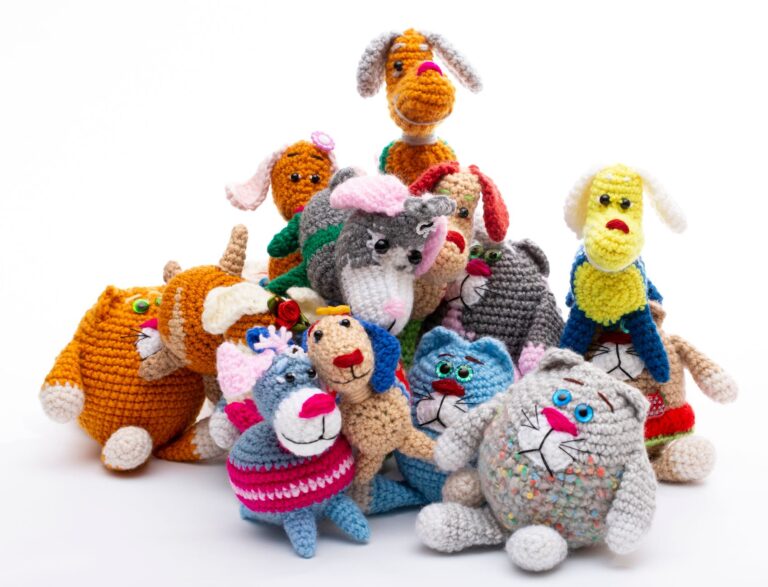
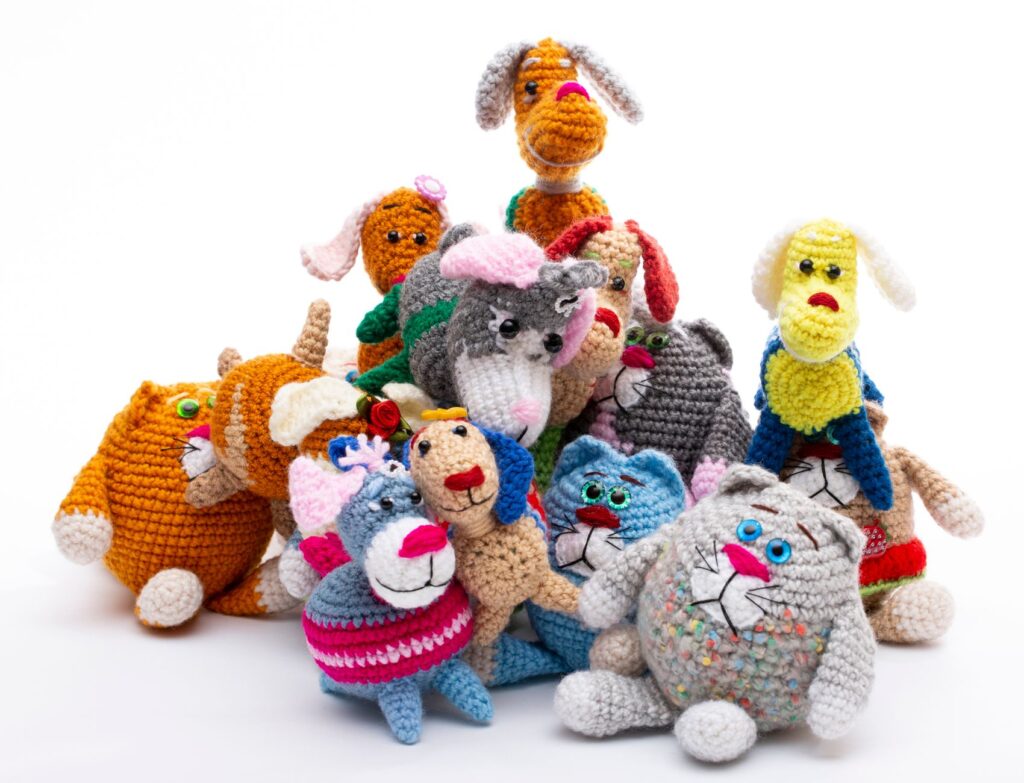
Stuffed animals, dolls, and novelty shapes make up the amigurumi category, one of the fastest-growing areas of the craft, relying on basic round shaping techniques that scale into an enormous range of finished characters and objects.
Accessories and Small Items
Bags, jewelry, keychains, bookmarks, and phone cases sit in a category defined more by scale than function, usually finishing quickly and using minimal yarn.
Practical and Functional Items
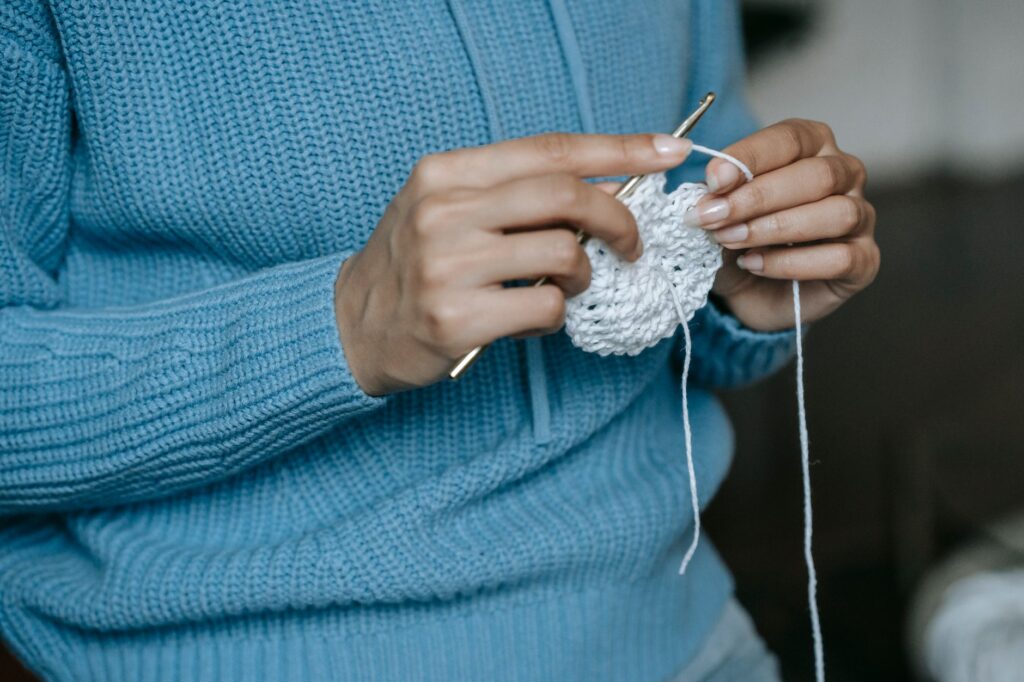
Dishcloths, produce bags, cord organizers, and other genuinely useful household items round out the last major category, valued more for solving a small everyday problem than for looks.
How These Categories Relate to Skill Level
Practical items and small accessories tend to sit at the easiest end of the spectrum, since they usually stay flat with minimal shaping. Home goods introduce basic shaping and working in the round for the first time in most crocheters’ progression. Amigurumi builds directly on that round-shaping foundation but adds increase and decrease timing for three-dimensional forms. Wearables sit at the far end, since a properly fitted garment demands accurate gauge, sizing, and often more advanced shaping techniques than any of the other categories require.
Work through these categories roughly in this order rather than jumping straight to an ambitious sweater as a first project, since each category builds a skill the next one relies on.
Mixing Categories in a Single Project
Many finished pieces actually blend two or more of these categories rather than fitting neatly into just one. An amigurumi keychain is both a toy and a small accessory. A crocheted market bag is both a practical item and an accessory. Thinking in categories helps organize your options when you are unsure where to start, but do not feel locked into treating them as rigid, separate boxes once you are choosing an actual project.
Frequently asked questions
What category should a beginner start with?
Practical items like a basic dishcloth or a simple home goods project like a coaster are the most forgiving starting points, since they use only straight single crochet rows with no shaping.
Is crochet good for making clothing?
Yes, though wearable garments generally require more advanced shaping and sizing knowledge than flat home goods or amigurumi, making them a common next step after some foundational experience rather than a typical first project.
Want a specific starter list instead?
See ten genuinely easy first projects to try.
See easy things to crochet