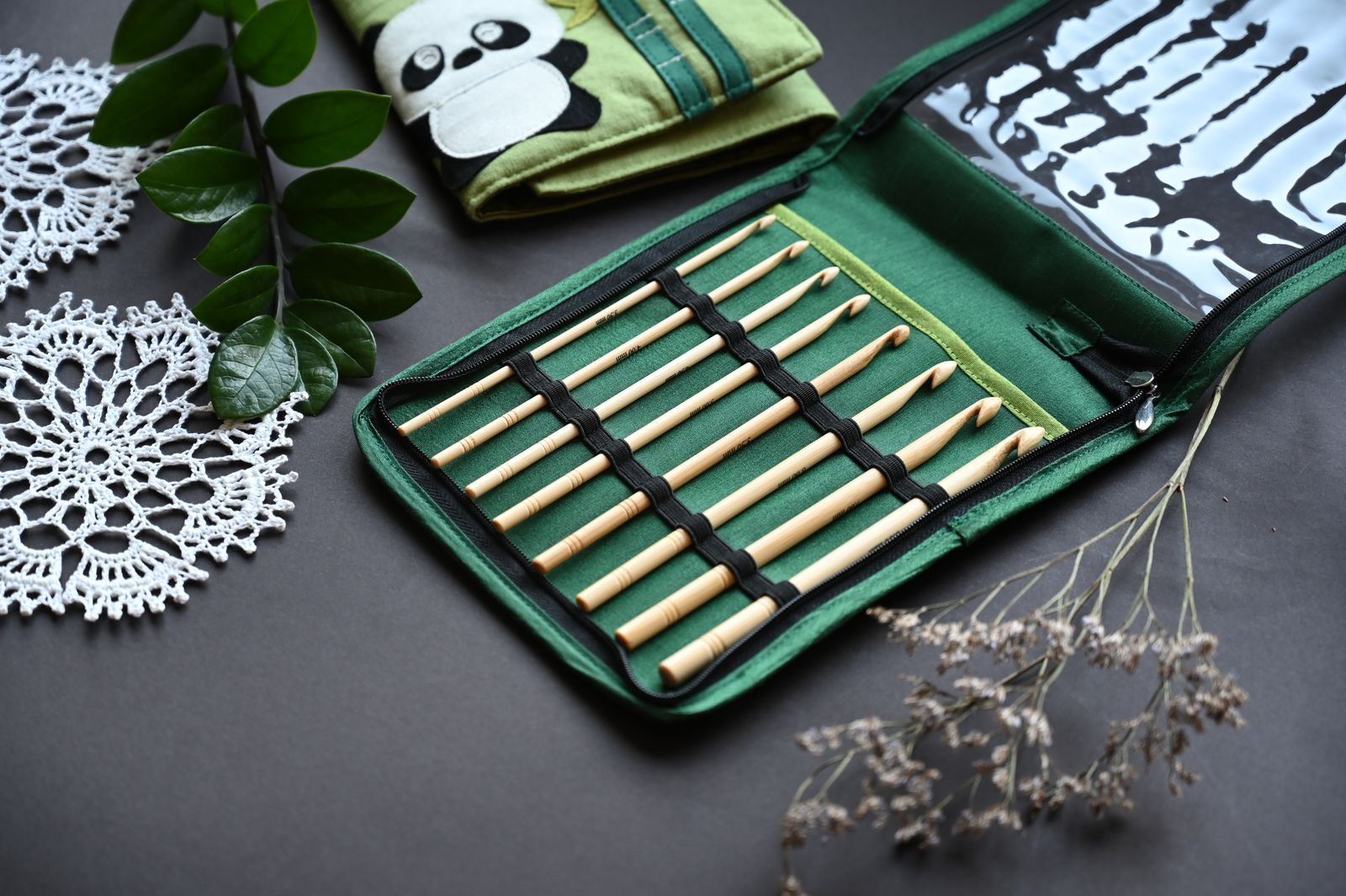
Steam blocking uses a handheld steamer or iron held above the fabric, never touching it, to relax fibers into a pinned shape without fully submerging the piece in water. I reach for steam specifically for acrylic blends, since wet blocking barely affects that fiber at all.
How to steam block a piece
Pin the piece to your target measurements first, then hold the steamer a couple of inches above the fabric, moving steadily so no single spot gets too much heat. I never rest the iron directly on the yarn, since that risks flattening or even melting synthetic fibers.
Steam versus wet blocking
Wet blocking works best on natural fibers like wool, which reshape well when damp. Steam works faster and is gentler for blends that don’t respond to a full soak, which is why I keep both methods in rotation depending on the yarn.

Frequently asked questions
Can you steam block acrylic yarn?
Yes, carefully. Keep the steamer or iron off the fabric directly, since too much heat can melt or flatten synthetic fibers permanently.
Is steam blocking faster than wet blocking?
Yes, since there’s no soaking or long drying time involved. I still let the piece cool and set for a few minutes before I unpin it.
Need a surface to pin your piece to?
See our full buying guide to crochet blocking boards.