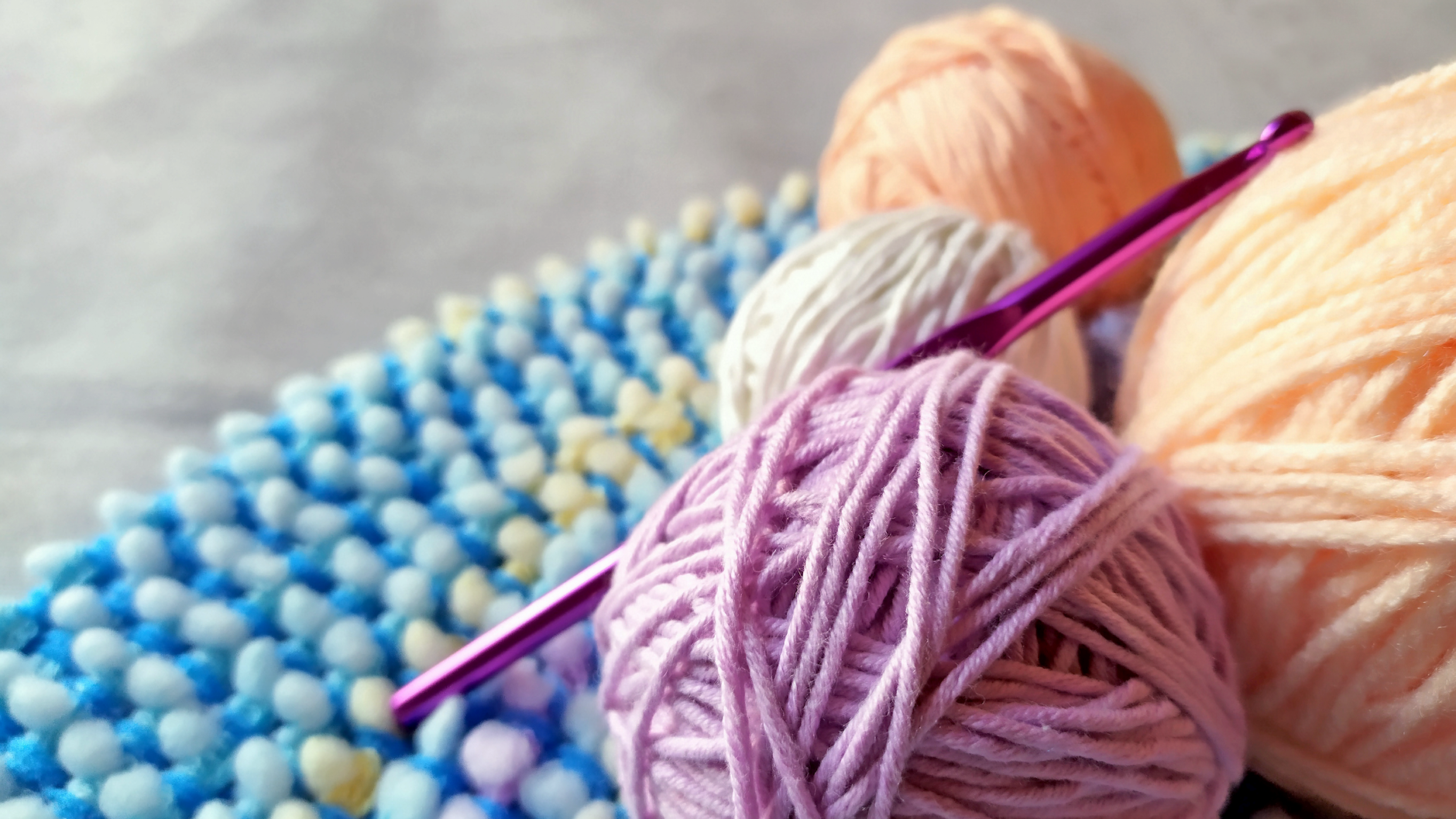
A wooden crochet blocking board trades the easy pin-ability of foam for a more rigid, long-lasting surface that won’t dent or compress over years of use. I’d only recommend wood if you already know foam boards wear out too quickly for how often you block pieces.
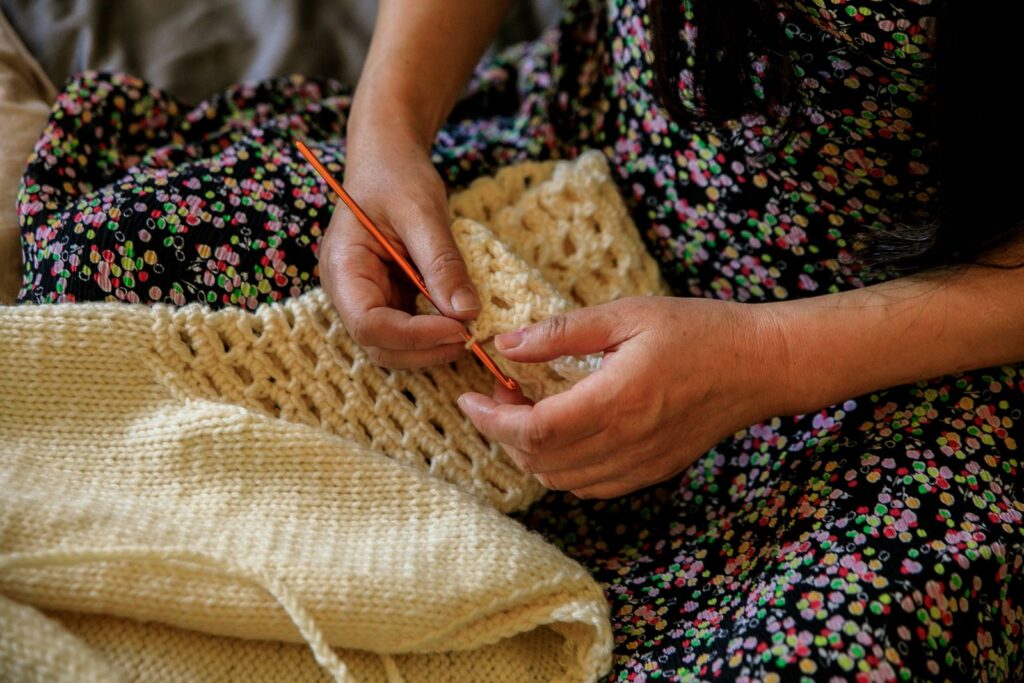
The pin-ability trade-off
Foam takes pins from any angle with almost no effort, while a wooden board usually needs a softer layer, like a towel, added on top or requires real force to push a pin through. This is the main reason foam and interlocking mats are more common than solid wood.
Where wood makes sense
A wooden board with pre-drilled grid holes solves the pin-ability problem while keeping the durability, though it’s a more specialized and pricier product than a standard foam board. I’d only look for this style if I were blocking heavy pieces very frequently.
Frequently asked questions
Are wooden blocking boards better than foam?
Not universally. Wood lasts longer without denting, but foam is far easier to pin into, so I’d choose based on how often you block and how heavy your projects are.
Can I pin directly into wood?
Only if it has pre-drilled grid holes. Solid wood without holes is too hard to push standard pins into safely.
See our full blocking board buying guide
Compare wood, foam, and interlocking mat options.