A crochet hot pad double thick means working two layers of dense stitches simultaneously, or two separate layers seamed together, since a single-layer crochet fabric alone does not reliably protect a table surface from a genuinely hot pot or pan. A single-thickness trivet can leave a mark on a wood table. This guide covers materials, the double-thick construction method, and safe usage limits.
Materials Needed
- About 120 yards worsted weight cotton yarn
- A 5.0mm hook
- Optional: heat-resistant batting or a layer of cotton quilt batting sandwiched between layers for extra insulation
Pattern Instructions
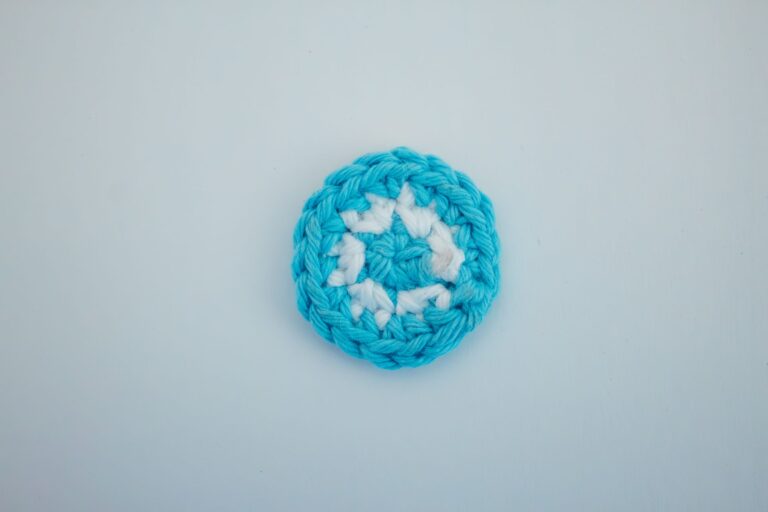
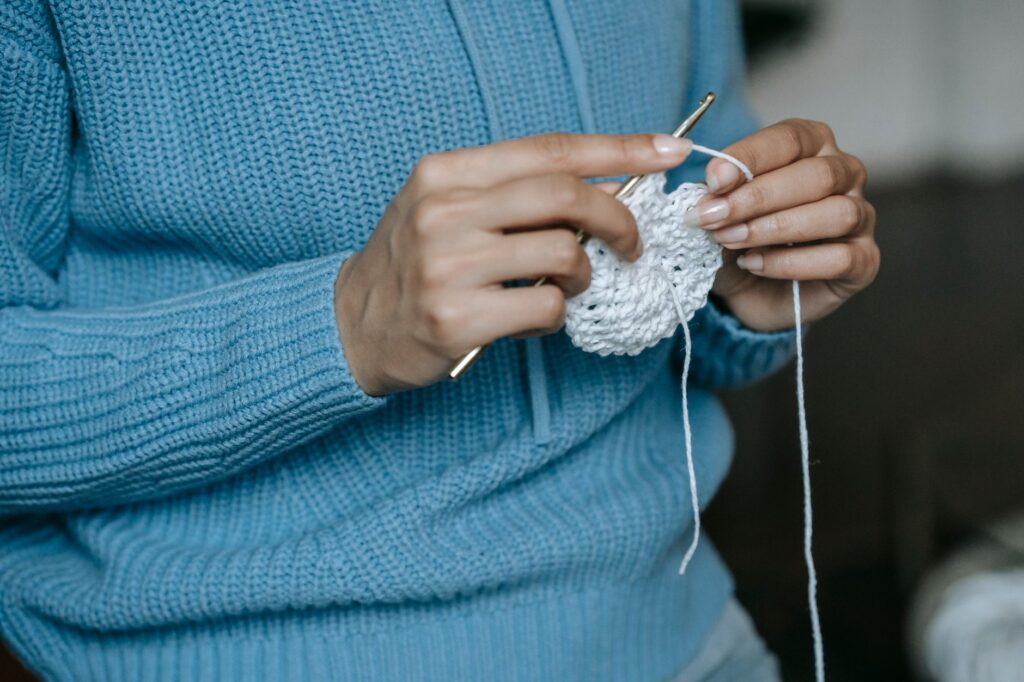
- Chain 2, work 8 sc into the second chain from the hook, closing the ring.
- Work two strands of yarn held together throughout the entire pattern, rather than a single strand, to build inherent double thickness into the fabric itself.
- Increase each round following a standard circle count until the piece reaches about 7 inches across.
- Work one round of single crochet around the outer edge for a clean, finished border.
Alternatively, work two separate identical circles using a single strand each, then seam them together around the edge with a whip stitch, leaving a small gap to insert a layer of heat-resistant batting before closing the seam completely.
Safe Usage Limits
Even a well-made double-thick crochet hot pad is not a substitute for a proper trivet when handling a pot straight off a stovetop burner or out of an oven at full temperature. Cotton yarn can scorch under sustained direct high heat, so use a crochet hot pad for moderate warmth, like a serving dish that has cooled slightly, rather than a pan pulled directly off an active burner.
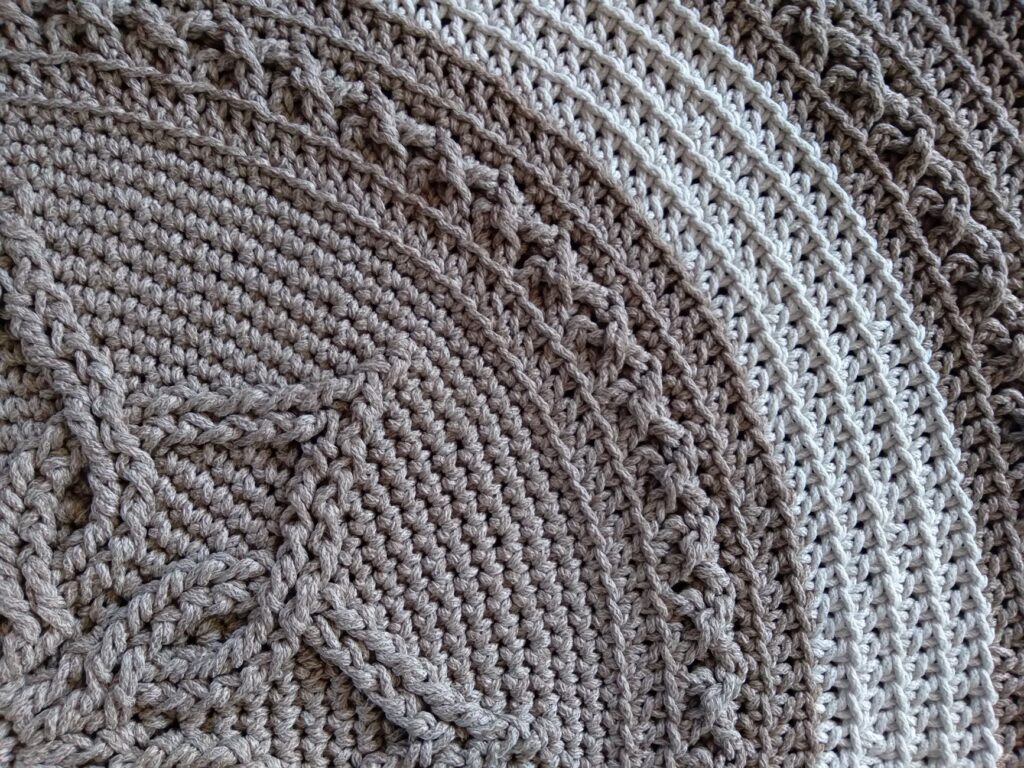
Testing Your Finished Hot Pad Before Regular Use
Before relying on a new hot pad for anything genuinely hot, test it with a moderately warm dish first and check the underside of the fabric for any warmth coming through after a few minutes. If heat transfers through noticeably, the double layer may need an added batting layer, or the hot pad is better suited to lighter-duty use, like holding a bowl of freshly cooked pasta rather than a cast iron skillet straight off the stove.
Frequently asked questions
Is a crochet hot pad actually safe for very hot cookware?
A double-thick crochet hot pad offers moderate protection but is not a full substitute for a proper trivet with cookware straight off an active burner or out of a hot oven, since cotton yarn can scorch under sustained direct high heat.
Should I add batting between the layers?
A layer of heat-resistant batting adds meaningful extra insulation compared to yarn alone, worth the extra step if the hot pad will regularly handle warmer dishes.
Want a matching bath mat too?
See a similar dense-fabric pattern for a bathroom accessory.
See the bath mat pattern