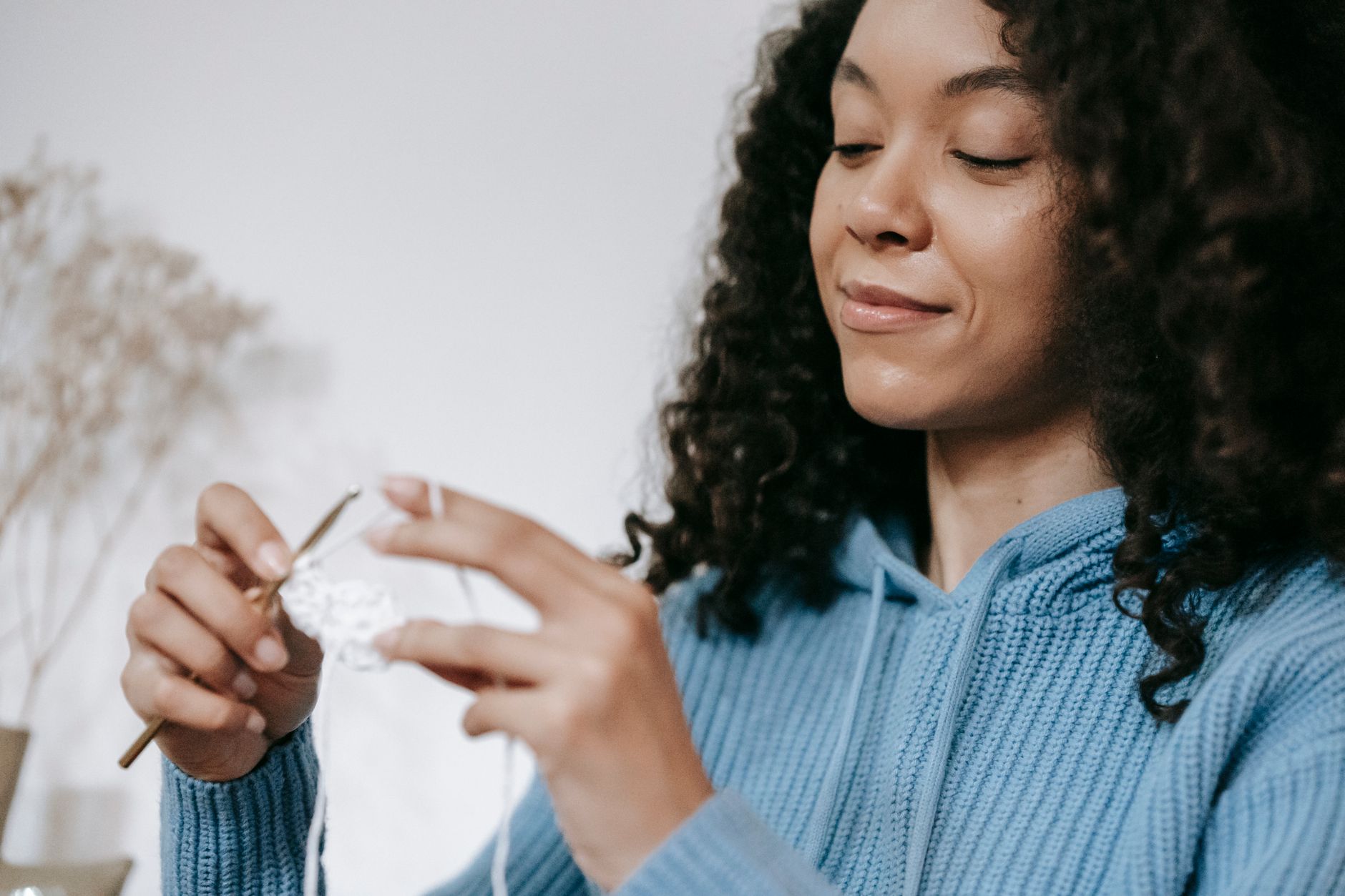
Crocheting with 2 strands means holding two separate strands of yarn together and working them as a single thicker thread, rather than switching between them. I reach for this whenever I want a heavier, warmer fabric than one strand alone gives me, or when I am blending two colors into a marled, flecked look. The technique itself does not change, only the yarn feels thicker under the hook.
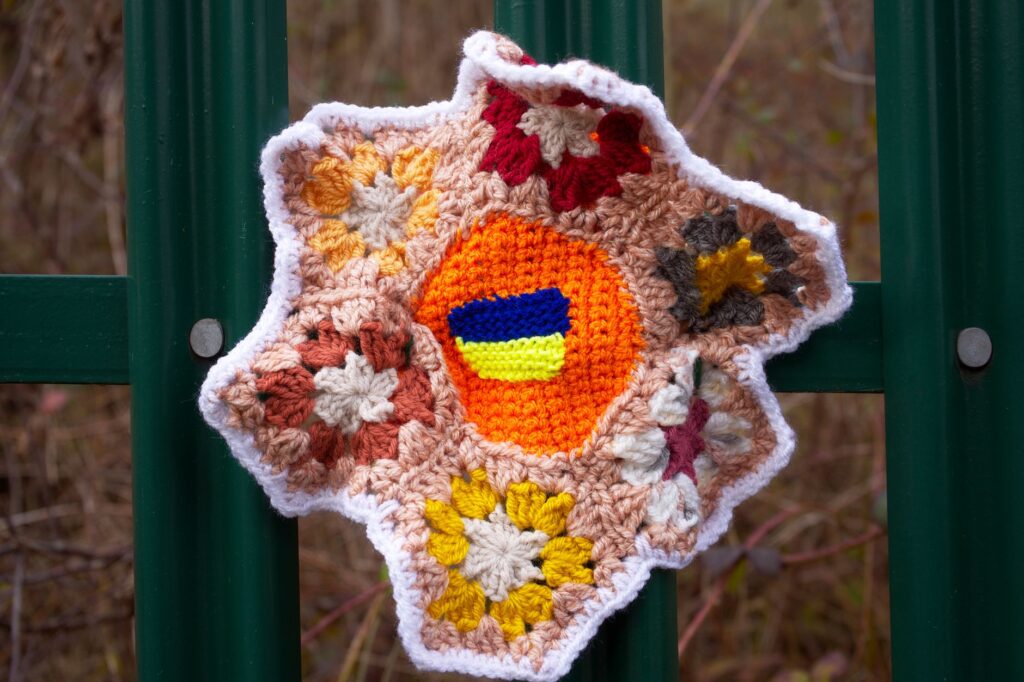
Why Crochet with Two Strands
Three specific reasons come up most often for holding two strands together instead of buying a bulkier yarn outright.
- Thickness without a special yarn: doubling a worsted weight yarn gets you close to a bulky-weight fabric using yarn you already have
- Color or texture blending: pairing a solid strand with a variegated one, for example, creates a marled effect neither yarn produces alone
- Using up scrap yarn: pairing two half-used skeins together stretches leftover yarn further than crocheting with either one solo
I use the scrap-yarn version constantly, since it turns odd, unmatched partial skeins into something usable instead of sitting in a bin.
Hook Size and Gauge Adjustment
Two strands of worsted weight (#4) yarn held together behave close to a single super bulky (#6) yarn, so size your hook up accordingly, typically to 8mm or 9mm instead of the 5mm you would use for one strand.
Gauge shifts more than most people expect. Doubling a worsted weight yarn roughly cuts your stitch count in half over the same width, so a swatch that measures 16 stitches per 4 inches in single strand will measure closer to 8 stitches per 4 inches doubled. Always swatch before committing to a full project, since two different yarns held together rarely double gauge in a perfectly predictable way.

Best Projects for Doubled Yarn
Doubled strands work best where extra bulk and warmth are an advantage rather than a drawback.
- Chunky blankets: doubled worsted weight finishes faster than single-strand bulky yarn while using stash yarn you already own
- Amigurumi bases needing extra structure: a doubled strand for the body of a stuffed toy holds shape better than a single fine strand under stuffing pressure
- Rugs and floor pieces: the extra density from doubling makes a firmer, more durable fabric that stands up to foot traffic
Frequently asked questions
What hook size do you use for two strands of yarn?
Size up roughly two to three hook sizes from what you would use for one strand. Two strands of worsted weight yarn typically call for an 8mm to 9mm hook instead of the usual 5mm, since the combined thickness is close to a super bulky yarn. Always swatch first, since exact sizing depends on the specific yarns you are pairing.
Does doubling yarn use twice as much yarn?
Yes, roughly, since you are feeding two full strands through every stitch instead of one. Budget for close to double the yardage you would need for a single-strand version of the same size project, and buy or set aside both skeins before you start rather than partway through.
Can you mix two different yarn types when crocheting with two strands?
Yes, and mixing fiber types is actually one of the more common reasons to double strands, such as pairing a smooth acrylic with a fuzzy mohair for texture contrast. Just check the care instructions on both yarns match reasonably well, since a finished piece combining machine-washable and hand-wash-only fibers can only be cared for as gently as the more delicate one requires.
Wrap Up
Holding two strands together is less a technique and more a material choice, one that trades a bulkier yarn purchase for using what is already in your stash. Swatch first, size your hook up, and budget close to double the yardage. For more pattern-specific project ideas built around doubled yarn, see crochet with two strands.