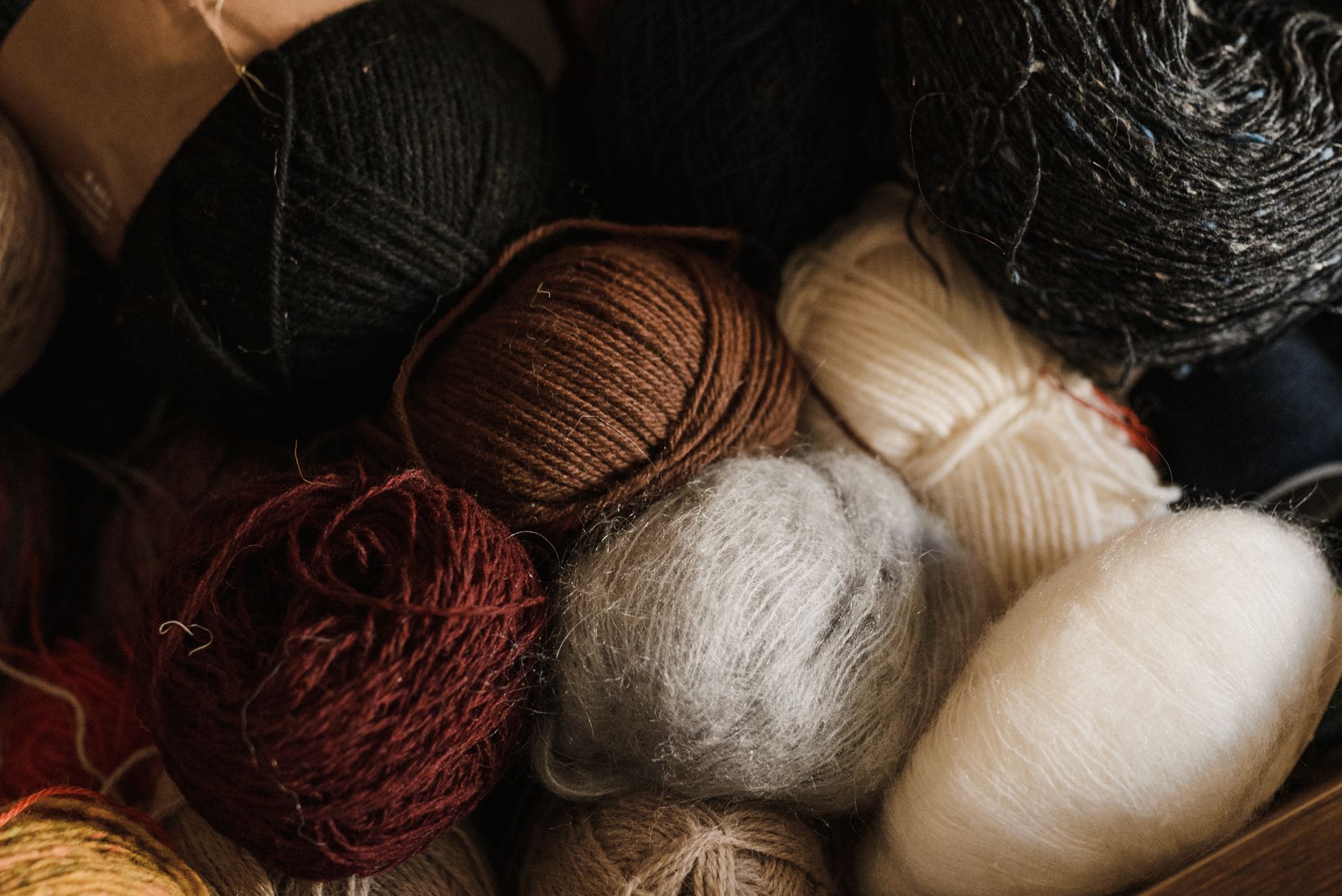
Joining yarn in crochet covers the specific moment you run out of one ball or skein and need to attach a fresh one of the same color, mid-project, without the switch showing in the finished fabric. This is different from a color change, since the goal here is invisibility rather than a clean stripe line. I run out of yarn mid-row more often than I would like to admit, and having one reliable join method memorized saves the guesswork every time it happens. This guide covers the materials you need, a numbered join method, a few variations depending on your yarn type, and the mistakes that make a same-color join stand out anyway.

What You Will Need
- Your current working yarn
- The new ball or skein, ideally from the same dye lot
- Your crochet hook
- A yarn needle for weaving in ends, or small sharp scissors if using a knot-based join
Step-by-Step Instructions
- Work until your old ball has 4 to 6 inches of yarn left, rather than running it down to nothing.
- Stop at the last complete stitch you can finish with the old yarn.
- Overlap the tail of the old yarn with a matching-length tail of the new yarn.
- Tie the magic knot: cross the two tails, tie a simple overhand knot with each tail around the other strand, then pull both knots tight against each other until they lock in place.
- Trim the short ends close to the knot.
- Continue crocheting with the new yarn, treating the knot itself as part of the working strand.
I only trust the magic knot method for a truly invisible join, since it locks flat enough to slide inside a stitch without adding bulk, unlike a standard double knot.
Variations by Stitch and Method
Slippery yarns vs. grippy yarns: Cotton and wool hold a magic knot securely, but slick acrylic or bamboo blends sometimes need the knot tightened twice to keep it from working loose over time.
In-the-round vs. turned rows: A magic knot can sit anywhere in a row without showing, which makes it more flexible than a felted join for continuous rounds where there is no natural seam to hide a bulkier join in.
Full skein swap vs. partial ball join: Joining a brand new full skein partway through a project is identical to joining a partial leftover ball, as long as both strands match in weight and fiber content.

Common Mistakes to Avoid
- Bulky joins: Leaving long trimmed ends near the knot instead of cutting them close adds unnecessary thickness inside the stitch.
- Visible color jump: Joining yarn from a different dye lot of the “same” color can create a subtle but visible shade shift once the project is finished and laid flat.
- Jagged spiral-round transitions: Rushing the knot before pulling both sides fully tight leaves it prone to slipping loose mid-project, which shows up as a small gap in the fabric later.
Frequently asked questions
How do you hide a yarn join in crochet?
A magic knot, tied by looping each tail around the other strand and pulling both knots tight against each other, hides best for a same-color join since it lies flat enough to disappear inside a stitch. Trim the short ends close once the knot is secure, rather than leaving them long to weave in separately.
What is the best way to join yarn without a visible knot?
The magic knot is designed specifically to sit flat and small enough to hide inside a stitch, which is why it works as a knot-based method without looking like a bulky knot in the finished piece. For wool specifically, a felted spit splice avoids a knot entirely, though it does not work on synthetic fibers.
Does it matter if my two skeins are from different dye lots?
Yes, different dye lots of the same listed color can still show a subtle shade difference once a project is finished and laid flat under good light. Check the dye lot number on the yarn label before joining a second skein, and if the lots do not match, plan the join for an inconspicuous spot like the underarm of a garment.
Working with wool specifically?
Wool holds a couple of join methods that do not work on synthetic yarn at all.
See wool-specific joining methods