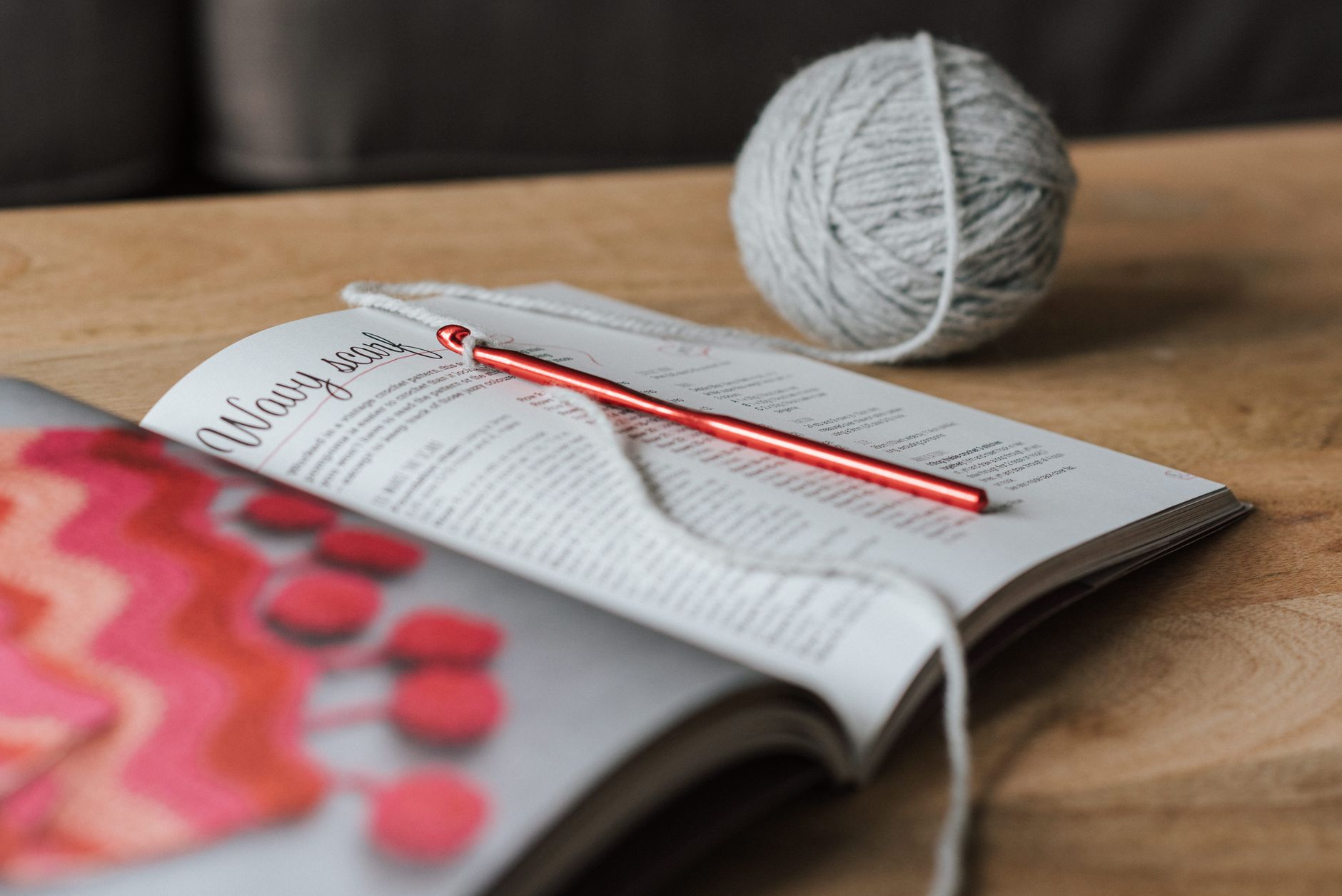
A crocheter is a person who crochets, someone who works yarn into fabric with a single hook rather than two needles. I get this question a lot from people who assume there is a more technical word buried somewhere, and there is not. If you have ever picked up a hook and called yourself “a crochet person,” you already understood the meaning, just not the exact noun.

What Crocheters Means
Crocheters is the plural of crocheter, the noun form of the verb to crochet. English builds it the same way it builds baker from bake or painter from paint: take the verb, add “-er,” and you get the person who does the action.
So a crocheter is not a style of crochet or a type of stitch. It is just the person holding the hook. I use the word constantly in my own notes when I mean “someone who crochets” instead of writing that whole phrase out every time.
One detail trips people up: crocheter is spelled with no accent and no extra syllable, even though the parent word crochet came into English from French. You pronounce it kroh-SHAY-er, three syllables, stress on the second.
Where the Word Comes From
Crochet is the French word for “small hook,” borrowed directly into English in the early 1800s. The craft itself is older than the word in English, but crochet as we use it today, meaning hooked lace and fabric work, only really took off in Europe in the 19th century, especially through Irish lace makers exporting patterns during the famine years.
Crocheter follows the same French-to-English pattern as other craft words, though English speakers added the “-er” ending themselves rather than borrowing a French equivalent. My grandmother, who learned to crochet from her own mother in the 1950s, always called herself a crocheter rather than a “crochet lady,” and that plain, functional word has stuck in the craft community ever since.
Crocheter vs Knitter
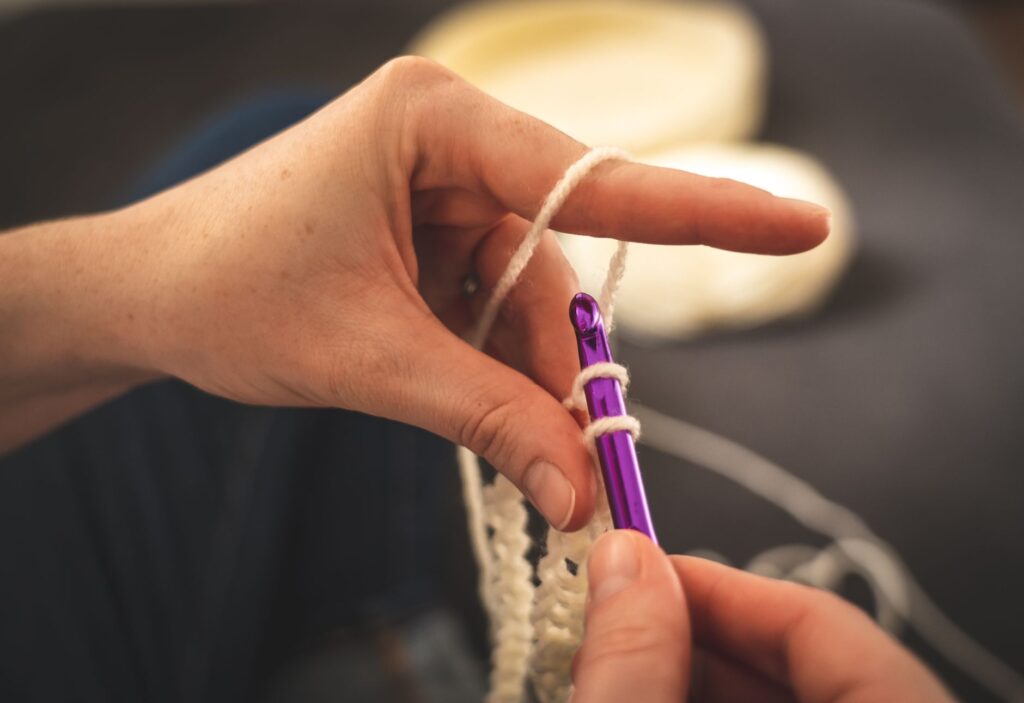
A crocheter uses one hook and works one active loop at a time. A knitter uses two needles and keeps a full row of live stitches on the needle at once, which is the real structural difference between the two crafts, not just the tools.
That single-loop habit is why crocheters can usually rip back a mistake in seconds, just pull the hook out and unravel, while a knitter risks dropping a whole row of live stitches. I have taught both crafts to beginners, and this is the detail that decides which one clicks faster for most people.
Frequently asked questions
What language does the word crochet come from?
Crochet comes directly from French, where it means “small hook,” a reference to the tool itself rather than the fabric it makes. English adopted the word largely unchanged in the early 1800s, keeping the French spelling but softening the pronunciation to kroh-SHAY. The noun crocheter was then built in English by adding the standard “-er” ending, the same pattern used for baker or painter.
Is crocheted or crochet correct as the past tense?
Crocheted is correct. You add “-ed” the normal way English forms a past tense verb, even though the base word already ends in a silent “t” sound. So you would say “I crocheted a blanket last winter,” not “I crochet a blanket last winter.” The word follows regular English verb rules once you get past the French spelling.
Is a crocheter the same as a knitter?
No. A crocheter works with one hook and a single active loop, while a knitter works with two needles and a full row of live stitches. The two crafts produce different fabric structures and use different vocabulary, so the terms are not interchangeable even though both start with yarn and end in wearable or decorative pieces.
Wrap Up
Crocheters meaning comes down to one plain fact: it is the person, not the craft or the stitch. If you want to see the actual mechanics behind the word, start with how to begin crocheting from a slip knot, or read a full breakdown of crochet versus knitting to see why the two crafts get their own separate vocabulary.