History of crocheting traces a documented path from early 1800s Europe through Ireland’s 1840s lace boom, into Victorian parlor craft, and eventually today’s global hobby, with each major shift driven as much by economic necessity or social fashion as by the technique itself evolving. The social history behind crocheting is in some ways more interesting than the stitches themselves, since so much of the craft’s spread traces back to specific historical pressures rather than pure creative interest. This guide walks through that documented path in more depth than a simple age question alone covers.

Early Documentation and Uncertain Origins
The earliest clear European references to crochet as a distinct technique date to the early 1800s, though the people who most likely practiced any earlier, undocumented version of the craft, largely working-class women, rarely had their handiwork recorded the way wealthier households’ embroidery sometimes was. This documentation gap means crocheting’s true origin could predate its earliest confirmed written references, but no surviving evidence currently confirms exactly how much further back the craft actually goes.
Ireland’s Lace Industry: The Clearest Turning Point
Ireland’s 1840s crochet lace industry remains the best-documented early chapter of the craft’s history, and it emerged directly from severe economic hardship during the Great Famine. Crochet lace-making became a genuine source of income for struggling families, taught through organized lace schools and eventually exported commercially to wealthier markets across Europe. This combination of financial necessity and resulting paperwork, export records, school enrollment, and surviving pattern books, is why historians know so much more confidently about this specific decade than about any earlier period of the craft.
Victorian Parlor Craft and the Spread of Pattern Publishing
By the mid-to-late 1800s, crochet had moved beyond its Irish lace-making origins into a broader domestic hobby practiced across social classes in Europe and eventually the United States. Pattern magazines and instructional booklets began publishing written crochet instructions widely during this period, shifting the craft away from purely hand-taught, in-person transmission toward something a reader could learn from print alone, a genuinely significant change in how the technique spread.
20th Century Shifts
Crochet’s popularity has ebbed and flowed noticeably across the 20th century, tied closely to broader craft and fashion trends. Periods of renewed popularity often coincided with economic downturns, when handmade and home-craft skills saw a practical resurgence, alongside purely fashion-driven revivals unrelated to economic necessity.
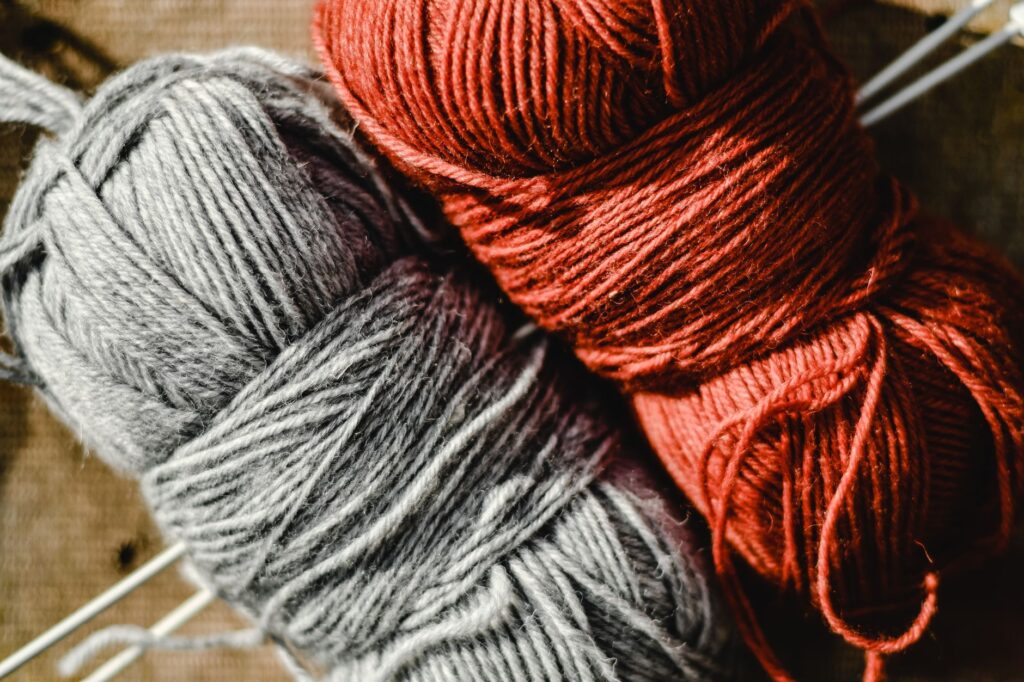
Crocheting Today
The craft’s most recent resurgence has been driven substantially by social media and online video tutorials, which lowered the barrier to learning dramatically compared to needing an in-person teacher or a purchased pattern book. This modern shift echoes the earlier print-publishing shift in Victorian times, both moments where a new medium made the craft more accessible to more people at once.
Regional Variations in the Craft’s Development
Beyond Ireland’s well-documented lace tradition, crochet developed distinct regional styles across Europe and later the Americas, each shaped by locally available materials and cultural context. South American crochet traditions, for instance, developed their own distinctive motifs and color traditions largely independent of the European lace lineage, illustrating that the craft’s spread was not a single linear path but several parallel regional developments once the basic technique reached different parts of the world.
This regional divergence is part of why a single unified “history of crochet” is somewhat misleading as a framing, since the craft’s story after its initial documented emergence really splits into multiple regional threads, each with its own pace of adoption and characteristic style.
Frequently asked questions
Why is Ireland’s role in crocheting’s history so well documented compared to earlier periods?
Ireland’s 1840s crochet lace industry left behind an unusually large body of surviving records, including export documentation and lace school enrollment, since the craft became a critical source of income during a period of severe economic hardship, generating far more paperwork than earlier, less commercially organized practice of the craft.
How did pattern magazines change how crocheting spread?
Pattern magazines and instructional booklets, widely published starting in the mid-to-late 1800s, let people learn the craft from a printed page rather than requiring in-person, hand-taught instruction, significantly broadening who could access and learn crocheting.
What role has social media played in crocheting’s recent history?
Social media and video tutorials have significantly lowered the barrier to learning the craft in recent years, similar in effect to how print pattern publishing broadened access during the Victorian era, making crocheting accessible to people without an in-person teacher.
Want the direct age question answered too?
See the specific documented age and timeline milestones.
Read how old is crocheting