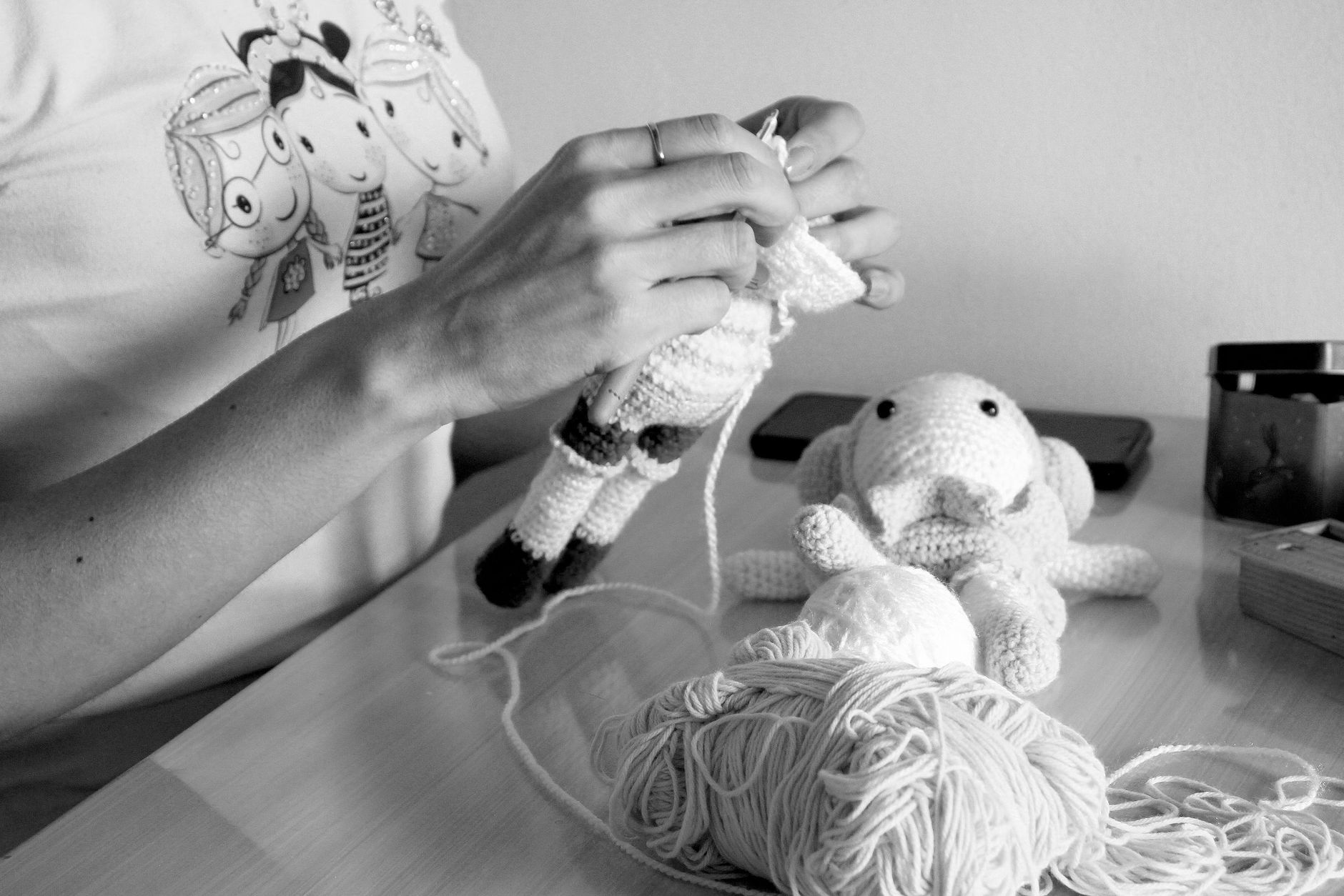
How to cast on in crochet is a question that borrows knitting terminology, since crochet does not technically have a cast on the way knitting does. What you are actually looking for is the foundation chain, the starting row nearly every crochet project builds from. I hear this exact mix-up constantly from people who learned knitting first and assume the same vocabulary carries over. This guide clears up the terminology, then walks through the full foundation chain process in detail.

Why “Cast On” Doesn’t Apply to Crochet
Casting on in knitting creates an entire row of live, active stitches on the needle simultaneously, ready to be worked into on the very first row. Crochet’s foundation chain works differently: each chain stitch is completed and closed before you move to the next, and only the final chain stitch remains active on your hook at any given moment. There is no equivalent moment where an entire row of stitches sits live and ready the way a knitting cast-on produces.
The Foundation Chain, Step by Step
- Make a slip knot and place it on your hook. This slip knot does not count as your first chain stitch.
- Yarn over by wrapping your working yarn over the hook from back to front.
- Pull the wrapped yarn through the loop currently on your hook, completing one chain stitch.
- Repeat steps 2 and 3, counting each completed chain stitch, until you reach your pattern’s target foundation length.
- Check your chain count carefully before starting row 1, since an incorrect foundation length throws off your entire first row.
Common Points of Confusion
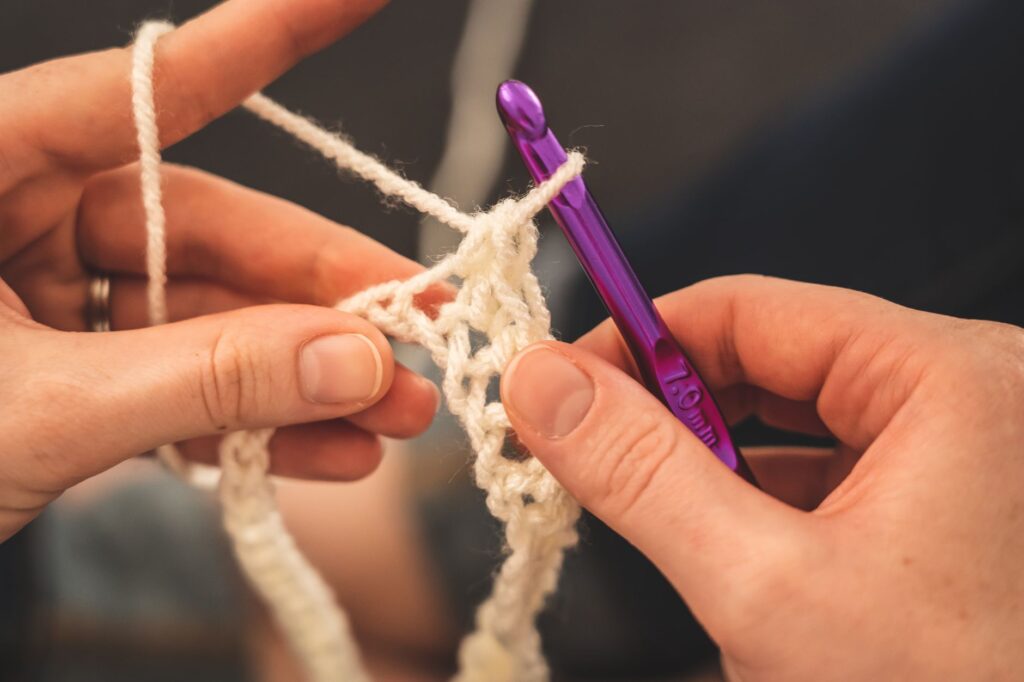
Beyond the terminology itself, a few other details trip up people coming from a knitting background. Chain tension matters more than it might seem, since a too-tight foundation chain is difficult to work your first row into, while a too-loose chain can stretch unevenly. Aim for chain stitches that hold their shape without gripping the hook tightly.
Counting where your first stitch actually starts also differs by stitch type. For single crochet, you typically insert your hook into the second chain from the hook to start row 1, skipping the first chain entirely. For taller stitches like double crochet, the skip count changes, so always check your specific pattern’s instructions rather than assuming the same rule applies everywhere.
Practice Tips for New Crocheters Coming from Knitting
If you already know how to cast on for knitting, the biggest mental shift is letting go of the idea that a whole row needs to be “ready” before you start working stitches into it. In crochet, you build the chain and immediately begin working your first row into it, one stitch closed at a time, rather than preparing a full row of live loops first.
Practice a chain of 20 stitches a few times in a row before moving on to your first real project, focusing purely on keeping tension consistent rather than speed. Consistent chain tension pays off across the entire project that follows it.
Frequently asked questions
Is a foundation chain the same as a cast on?
They serve the same starting-row purpose but work through different mechanics. A foundation chain is built one stitch at a time with a single hook, while a cast on creates an entire row of live stitches on two needles at once.
Does the slip knot count as my first chain stitch?
No, the slip knot is only the starting loop that anchors your yarn to the hook. Start counting your chain stitches from the first true chain made after the slip knot.
How many practice chains should a beginner make before starting a real project?
A few practice chains of about 20 stitches each are usually enough to build comfortable, consistent tension before moving on to a first real project like a dishcloth.
Ready to work your first row?
See how to size your chain to a specific target width.
See chain sizing tips